
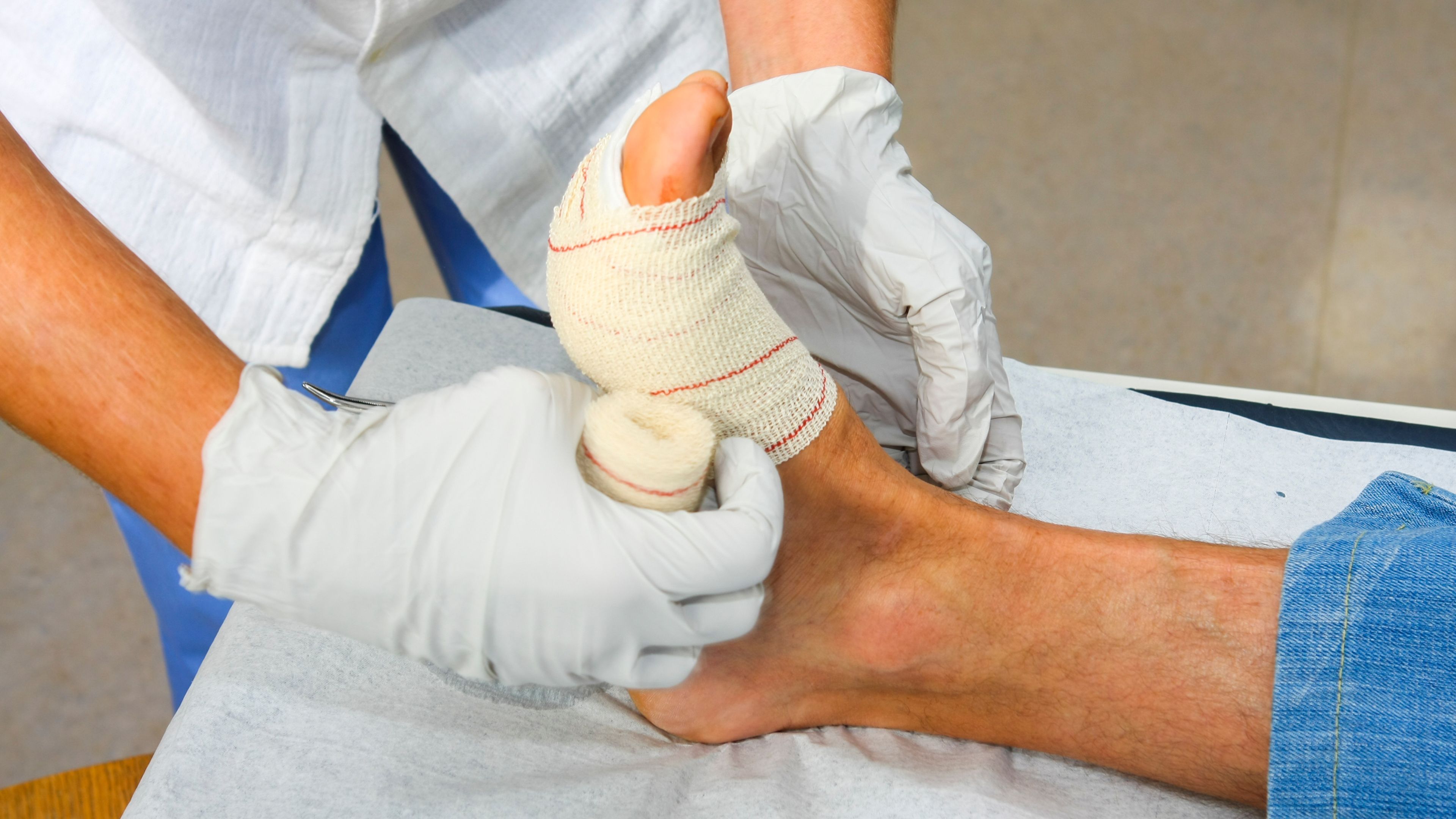
Wound Care Management
Care Coordination Solutions

Why Choose Medrina for Wound Management
1. Advanced Wound Healing
2. Reduced Re-Hospitalizations and Infections
Staying within your formulary for greatest cost impact without compromising wound care results and engage patients and family members on healing process: includes education through in-services and QAPI attendance.
3. Team Integration
Treatment Details
Ultra MIST Therapy
UltraMIST Therapy provides non-contact, painless treatment that uses ultrasound waves to promote wound healing. These wound care services reduces wound area, reduces pain, controls inflammation, improves bloodflow, increases perfusion and promotes angiogenesis, while killing up to 99% of bacteria and breaking down biofilm.
Bovie Machine
The Bovie Machine delivers conservative electrocautery debridement and controls bleeding.
Skin Grafts
Skin grafts are synthetic or amniotic tissue that may be used as a protective barrier in wound care applications. The skin grafts offer several benefits such as faster healing, improved function, prevention of infection, and better quality of life.

Medrina 360 Wound at Home
18% rehospitalization rate vs 27% national average
*based on 60 days post discharge to home
Develop
Your Wound Management Plan Today
Work one-on-one with us to develop highly impactful wound care management. We offer dedicated wound care assistance, leveraging teamwork and collaboration to create seamless patient experiences. Contact the experts at Medrina today for more information on our services line and staffing services.

Wound Care FAQs
What types of wounds are typically managed in skilled nursing facility wound care programs?
SNF wound care programs typically address pressure injuries, diabetic ulcers, surgical wounds, venous and arterial wounds, and post-amputation sites. These conditions require specialized assessment, debridement protocols, and regular physician oversight to heal properly. Medrina's wound care program brings consistent specialist-level care directly to your facility.
How does a structured wound care program reduce hospital readmissions from SNFs?
Wound complications, particularly infections and non-healing pressure injuries, are a significant driver of avoidable SNF-to-hospital transfers. A physician-supervised wound care program with regular reassessment intervals catches deterioration early and adjusts treatment before hospitalization becomes necessary. Medrina's model is built around proactive wound management and measurable healing outcomes.
How does wound care documentation impact PDPM reimbursement?
Non-healing wounds and related comorbidities (such as malnutrition or vascular disease) are captured in PDPM's nursing and non-therapy ancillary components. Accurate, physician-level wound documentation ensures your facility is classified at the appropriate reimbursement level.
What should skilled nursing facilities look for in a wound care partner?
Seek a partner with on-site physician presence (not just nursing-level wound care), evidence-based treatment protocols, and integration with your existing documentation and care planning systems. Experience with complex wounds in the post-acute setting and a track record of improved healing rates are key indicators. Medrina delivers all of these through a consistent, physician-led wound care model.