

Within assisted living facilities, there may be times when older adults could benefit from rehabilitative care. Specifically, post-hospital rehab ensures that they receive the acute-level care they need to heal and get back to their regular routines following an injury or medical event.

While the length of time can vary depending on their needs, our assisted/independent living services provide consistency and a comprehensive level of care during their stay.

How We Help

Whether an older adult is in an assisted or independent living facility, once they are discharged from the hospital, they will often need additional monitoring and support. We can provide this level of care to help improve patient outcomes.

Here are some ways we can help:

Diagnose Conditions and Develop Patient Care Plans 

Our team of physiatrists consists of medical professionals who have undergone medical school and four additional years of postdoctoral residency. They have the knowledge, skills and experience to diagnose a range of physically limiting and painful conditions.

Along with diagnosing conditions, they can provide medical interventions and prescribe medications. Because every patient is unique, they develop patient care plans tailor-made to each senior's specific needs.

Provide Holistic Treatments 

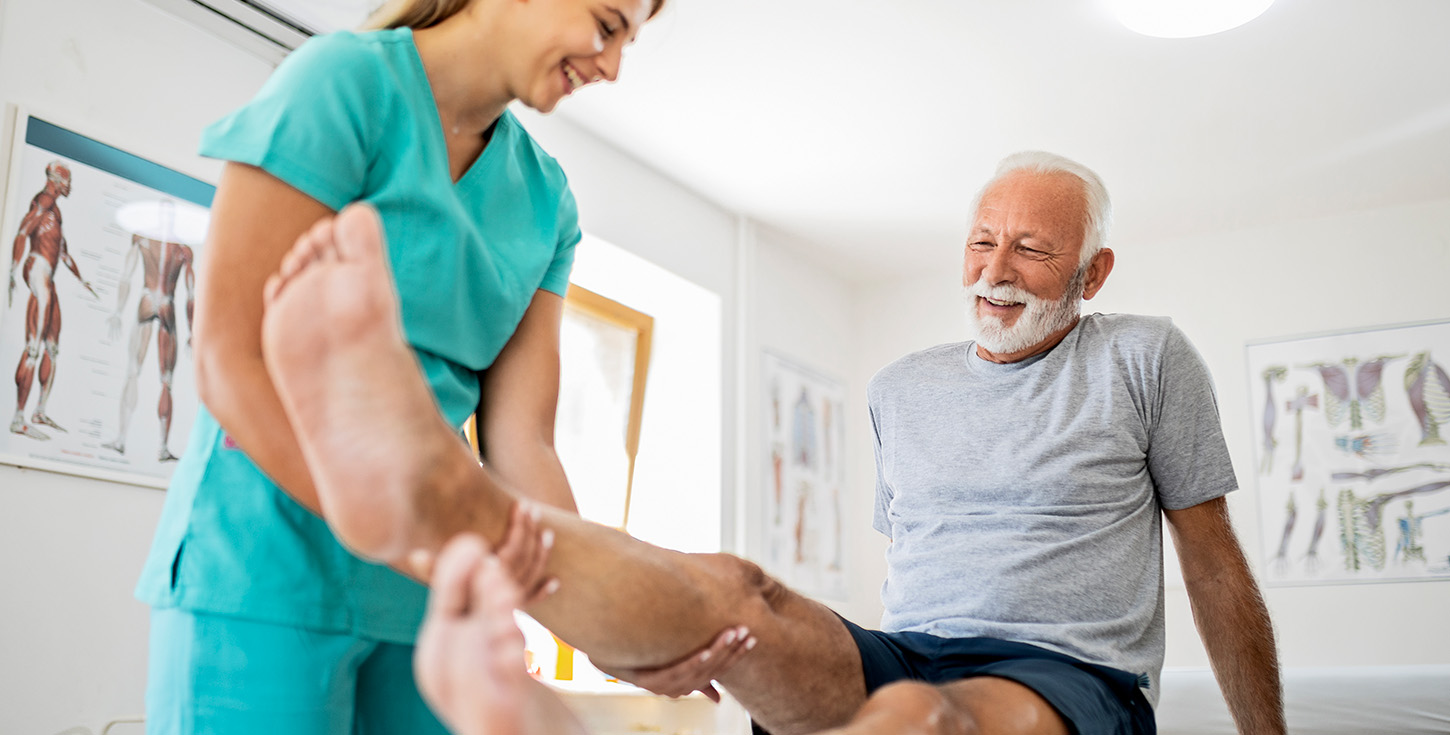
Our physiatrists for assisted living are committed to providing holistic treatments.   Depending on the patient's needs, we can incorporate organized treatments that combine specialties ranging from speech therapy to occupational therapy. Through these treatments, we'll work alongside the care team, helping to restore strength, enhance mobility and improve overall quality of life.


Collaborate With the Patient's Care Team

To ensure properly integrated assisted living care, our physiatrists will collaborate with the patient's entire care team every step of the way. By working closely with other caregivers, physicians and even the patient's family, our team can better develop and deliver treatments that promote the best health outcomes.

Benefits to Patients

Assisted or independent living patient care offers many benefits to patients and their families. No matter if a resident is recovering from a hospital stay or has started experiencing a decline in mobility, communication skills or cognition, physiatrists can help manage their condition.

Through our service, residents will have access to reliable, consistent visits for as long as they need them. Our physiatrists can support their individual needs and help them with managing pain and regaining function.

With individualized rehabilitative care plans, residents will have a better experience and be better prepared to transition into the next step of their care, which helps decrease hospital readmissions overall.

Why Do Assisted Living Facilities Choose Us?

At Medrina, our physician-owned practice of physiatrists ensures that assisted living facilities receive the highest level of care they need. We understand both the needs and challenges these facilities face, and we strive to deliver enhanced care that goes above and beyond a typical Assisted Living experience.

Through our increased physician presence and commitment to communicating with every member of the patient's care team, we are able to provide much needed support and engagement. In addition, we are also able to offer highly valuable Care Coordination programs to further augment and enhance the patient experience and outcomes.

shape-new-3

Physiatrists also work to prevent disability and improve the overall health and well-being of patients.

shape-new-2 shape-2

Why Choose Medrina?

As part of our acute facility's patient care, we offer a full-scale Physiatry program. We are the nation's largest physiatry group and have a presence in over 1200 care centers across 44 states. We'll work with you to help you find the best physiatrist based on your needs, enhancing the patient quality of care at your facility.

shape-new-3
900

DOCTORS

1500

Facilities

2,500,000

Patient Visits Over the Last 12 Months

Contact Us Today to Learn More

To learn more about how our team of physiatrists here at Medrina can support your assisted living facility's needs, we invite you to fill out our contact form today.

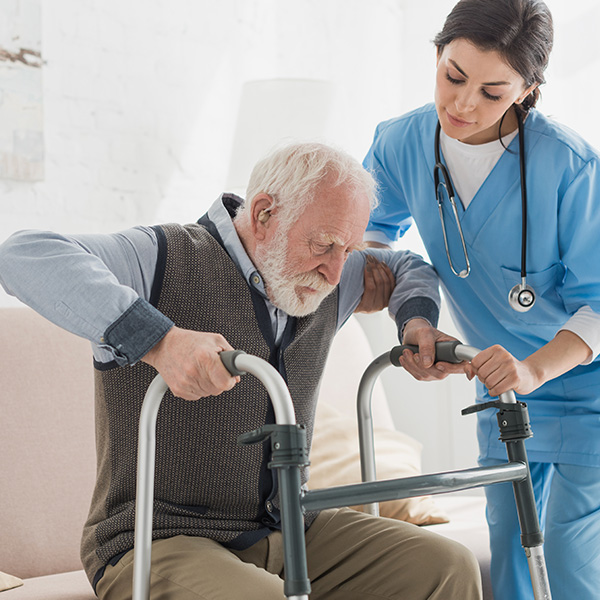
nurse helping elderly man with walker

Assisted Living FAQs

How can an internal medicine provider improve patient care in an assisted living facility?

An internal medicine provider can support assisted living residents through comprehensive evaluations, routine visits, chronic disease management, medication reviews, preventive care, and coordination with specialists and other care providers. This clinical partnership helps residents manage complex conditions, age in place, and receive timely care without unnecessary disruptions.

What are the advantages of partnering with an internal medicine provider for an assisted living facility?

Dedicated attending physicians provide more consistent access to medical care, faster responses to changes in a resident’s condition, and stronger continuity of care than facilities relying on rotating outside providers or emergency room transfers. They can also support chronic disease management, medication reconciliation, transitional care, and communication with residents’ families.

How can an internal medicine provider help reduce hospitalizations for assisted living residents?

Timely provider evaluations can help identify and treat certain conditions before they require emergency care. Depending on the resident’s needs, providers may support on-site management of conditions such as urinary tract infections, pneumonia, cellulitis, dehydration, COPD exacerbations, heart failure exacerbations, and falls without major injury. They may also coordinate services such as mobile imaging and laboratory testing.

How does an internal medicine provider support residents after a hospital discharge?

After discharge, an internal medicine provider can review hospital records, reconcile medications within 48 to 72 hours, schedule follow-up care, communicate with specialists and educate family members. This coordinated approach supports continuity of care and may help reduce avoidable readmissions.

Can assisted living facilities implement telemedicine services alongside in-person physician care?

Yes. Telemedicine can complement in-person physician care by extending access for after-hours needs, specialist consultations, follow-up visits, and non-urgent concerns. It can improve communication and access to care while maintaining the importance of hands-on clinical evaluation when needed.

How do internal medicine providers support assisted living facility staff?

Internal medicine providers can help staff recognize early signs of clinical deterioration and manage common conditions more effectively. Support may include reviewing residents with changing conditions and providing education on topics such as heart failure, diabetes, fall prevention, infection recognition, delirium, dehydration, and sepsis awareness.

How does an internal medicine provider help residents manage chronic conditions?

Providers can help manage conditions such as congestive heart failure, COPD, diabetes, hypertension, chronic kidney disease, dementia, Parkinson’s disease, and osteoporosis. Ongoing care may include routine monitoring, medication management, preventive services and coordination with specialists.

How do internal medicine providers support families of assisted living residents?

Providers can help families understand diagnoses, review medications, discuss prognosis and determine when a higher level of care may be appropriate. Clear communication helps families make informed decisions while supporting the resident.